Blog >> Article Details

05 April, 2026
Leather Belts: Uses, Advantages, and How to Choose the Right Type for Your Production Line


Leather belts are considered an important component in certain industrial applications that rely on efficient and stable power transmission or mechanical operation. Despite the development of many modern industrial belt materials, leather belts still maintain their relevance in specific use cases due to their flexibility, stable performance, and suitability for certain mechanical systems and production environments.
The success of using leather belts depends largely on selecting the right type based on operating conditions, speed, load requirements, and the working environment within the factory. Understanding the characteristics of this type of belt helps engineers and manufacturers make more accurate decisions, achieve better performance, and reduce operational issues.
What Are Leather Belts?
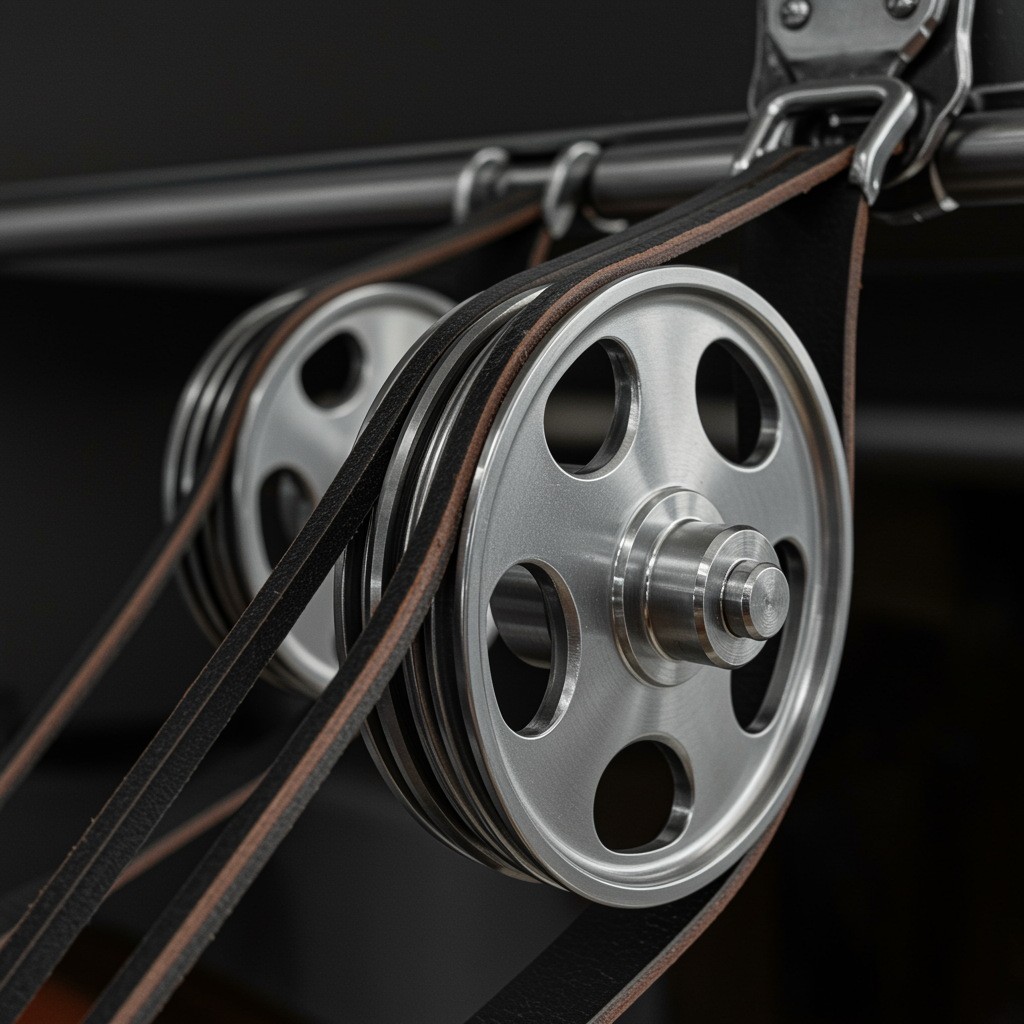
Leather belts are used to transmit motion between machine components and mechanical systems. They are typically made from natural leather or similar materials that provide flexibility and suitable friction for certain applications. These belts are commonly used in systems that require smooth and stable operation, especially where simple and reliable power transmission is needed.
They are particularly effective in applications that require a balance between flexibility and efficiency, making them suitable for systems where high complexity or extreme operating conditions are not required.
What Are the Main Uses of Leather Belts?
Leather belts are used in a variety of industrial applications, especially where smooth and stable motion transmission is required. Key applications include:
Power Transmission in Machinery
Leather belts are commonly used in mechanical systems to transfer motion between pulleys and moving components, especially in moderate-load applications that do not require highly complex systems.
Low-Noise Applications
In some industrial environments, minimizing vibration and noise is important. Leather belts can be a suitable option in such systems due to their relatively smooth and quiet operation.
Traditional Workshops and Production Lines
Leather belts are still used in certain workshops and traditional industrial equipment, especially where practical and simple solutions are sufficient for the required performance.
Applications Requiring Flexibility
In systems where flexibility is important, leather belts can provide a practical solution when aligned with operational requirements.
Advantages of Leather Belts
Using leather belts in the right application offers several operational advantages:
Operational Flexibility
Leather belts provide good flexibility, making them suitable for systems that require smooth and adaptive motion.
Good Friction with Pulleys
They offer sufficient friction for effective motion transfer when properly selected and installed.
Stable Performance
In suitable environments, leather belts can deliver consistent and stable operation with reliable efficiency.
Ease of Use in Certain Systems
In relatively simple or traditional systems, leather belts are easier to install, handle, and replace compared to more complex belt types.
How to Choose the Right Leather Belt?
Choosing the right leather belt should be based on several technical and operational factors:
Application Type
Determine whether the belt will be used for light, medium, or continuous-duty applications. This directly affects the required specifications.
Operating Speed
Higher speeds require belts that can handle increased motion without excessive wear or performance loss.
Load Capacity
Understanding the load is essential. Using a belt that cannot handle the required load may lead to slippage or premature wear.
Working Environment
Factors such as temperature, humidity, dust, and operating conditions must be considered when selecting the appropriate belt.
Installation and Maintenance Quality
Even the best leather belts will not perform well without proper installation and regular maintenance. Proper tensioning, inspection, and periodic adjustments are essential.
Common Mistakes When Choosing Leather Belts
Several common mistakes can lead to operational issues:
Choosing Based on Price Only
Selecting the cheapest option without considering performance requirements can result in higher long-term costs.
Ignoring Operating Conditions
Failing to consider environmental and operational factors can reduce belt lifespan and efficiency.
Mismatch with Load Requirements
Using a belt that is not suitable for the required load leads to performance issues and increased wear.
Neglecting Maintenance
Regular maintenance is essential to ensure long-term performance and avoid unexpected failures.
When Should You Replace Leather Belts?
Certain signs indicate that the belt is no longer performing efficiently:
- Visible wear or damage
- Reduced motion transfer efficiency
- Frequent slipping
- Increased noise during operation
- Repeated need for adjustments
When these issues occur, it is important to inspect the system and consider replacing the belt if necessary.
Why Is Choosing the Right Supplier Important?
Selecting a reliable supplier is just as important as choosing the belt itself. A trusted supplier helps you:
- Choose the right belt for your application
- Ensure correct sizing and specifications
- Reduce failure risks
- Improve overall system performance
- Receive proper technical support
The success of using leather belts depends not only on the product but also on selecting the right solution from the beginning.
Conclusion
Leather belts remain a valuable solution in certain industrial applications that require efficient, flexible, and stable power transmission. However, their effectiveness depends on proper selection, understanding operating conditions, and considering factors such as speed, load, and environment.
If you are looking to optimize your production line or mechanical system, start by evaluating your operational needs carefully and choose a belt that ensures long-term performance, reliability, and efficiency.


